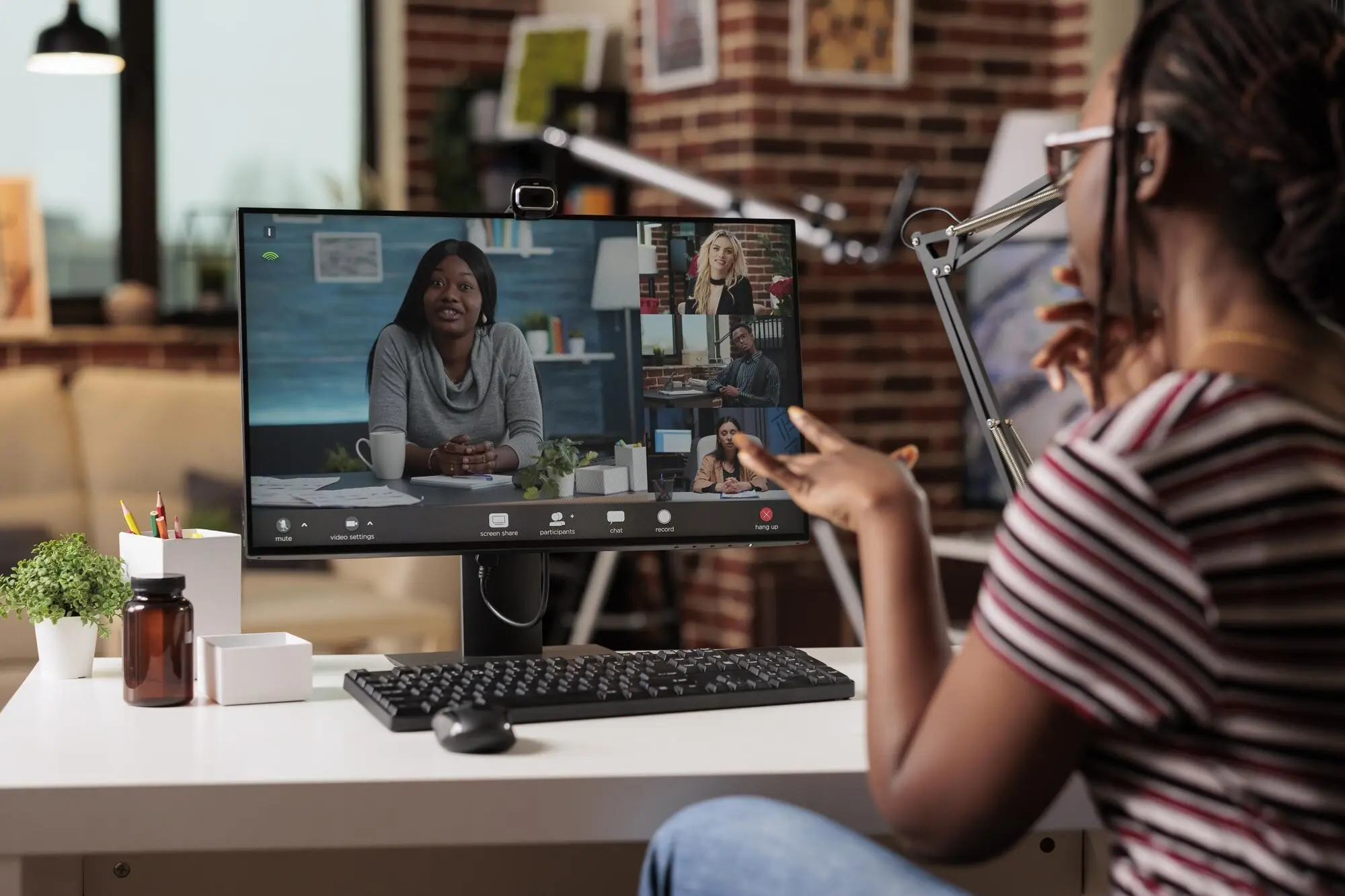

Step Into the Lens With Confidence

Today we dive into overcoming nerves when speaking on camera, turning shaky beginnings into confident delivery. You’ll learn practical warmups, mindset shifts, and on-screen habits drawn from broadcasting, performance psychology, and real creators, helping you record with clarity, presence, and steady energy. Along the way, you’re invited to try tiny challenges, share quick wins in the comments, and build momentum with supportive peers.

Understand What Your Body Is Telling You
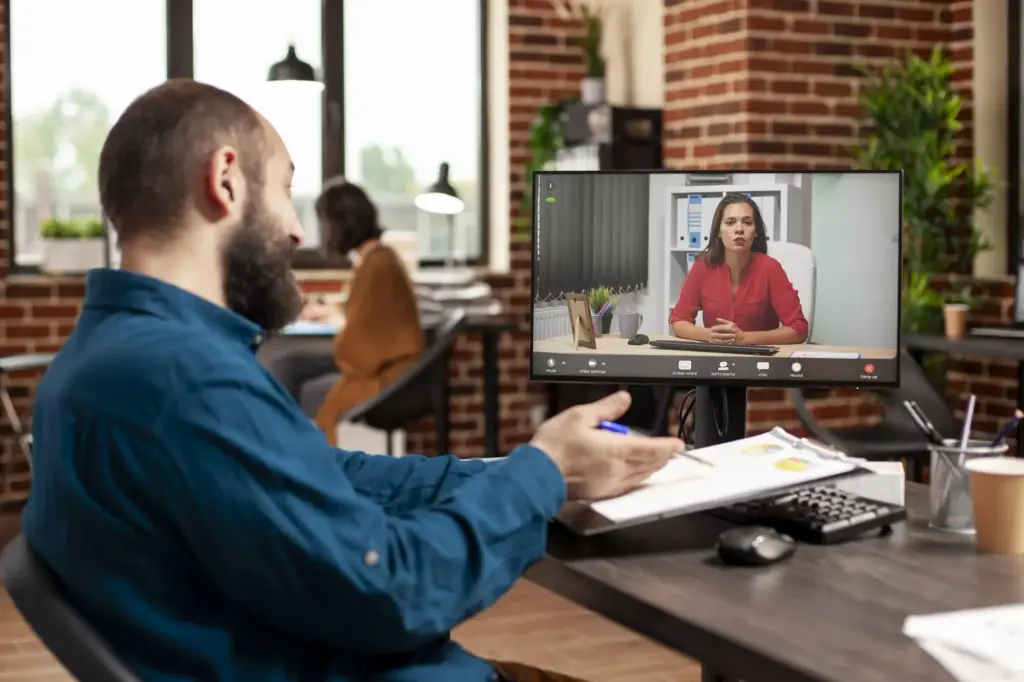
Jitters are a natural stress response, not a personal flaw. Understanding adrenaline spikes, dry mouth, racing heart, and tunnel focus helps you separate alarms from actual danger. With that clarity, you can choose simple resets—breathing, grounding, and reframing—to regain control without fighting yourself.

Warmups That Steady Voice and Hands

Quick rituals calm physiology and prime presence. Before recording, combine breath ladders, progressive muscle release, and light vocalization. These brief routines reduce shake, stabilize tone, and unlock consistent phrasing, so you enter frame feeling grounded, prepared, and genuinely ready to connect.

Sixty-Second Breath Ladder

Try four rounds: inhale four, exhale six; inhale five, exhale seven; inhale six, exhale eight; then a gentle sigh. Match counts to comfort. The longer exhales activate your calming brake, quieting tremors while clearing mental fog without making you drowsy.

The Two-Minute Tension Sweep

Scan from forehead to feet, briefly contracting each muscle group before releasing. Pair the release with a whispered cue like “soft” or “open.” This reset lowers baseline arousal, reduces fidgeting on camera, and helps your gestures look deliberate rather than jittery.

Voice Prep With Straw and Hum

Phonation through a straw and light humming balance breath and resonance. Glide gently up and down your range, then speak a few opening lines. You’ll stabilize pitch, reduce throat strain, and find a warmer timbre that instantly sounds more assured.

On-Screen Habits That Lower Pressure

Good process shrinks uncertainty. Frame your shot consistently, place a small sticker near the lens to guide eye contact, and keep water nearby. Use bullet prompts instead of memorized paragraphs. When equipment, structure, and prompts feel familiar, your focus naturally shifts to people.

Micro-Scripts Beat Memory Dumps

Outline three anchors: hook, payoff, exit. Speak freely between them. This keeps you conversational and reduces the panic that comes from losing a memorized line. If you detour, simply return to the next anchor and continue with calm, coherent flow.

Eye Contact With a Dot

Affix a subtle dot beside the lens at eye level. Whenever nerves spike, look to the dot and imagine a single supportive friend listening. This simple cue softens gaze, steadies head movement, and preserves the intimate connection audiences crave.

Reset Ritual Before Record

Build a thirty-second ritual—shoulder roll, breath, smile, clap sync—and repeat it every session. Rituals signal predictability to your nervous system, lowering anticipatory stress. The consistency also speeds setup, preventing spirals where fiddling with gear fuels more anxiety.

Practice Systems That Build Calm

Confidence grows from small, repeatable wins. Use graded exposure: start with voice notes, then short video diaries, then a simple public clip. Space sessions across days and review kindly. A reliable routine transforms occasional bravery into stable, familiar competence.

Mindset Tools Backed by Psychology

Thoughts color physiology. Cognitive reappraisal, acceptance, and self-compassion reduce performance anxiety across studies. Replace catastrophic forecasts with specific intentions, allow sensations to rise and fall, and speak to yourself like a coach. These shifts create sturdy confidence that withstands unpredictable moments.

Stories From the Studio

Real experiences reveal turning points numbers can’t show. Across projects, newcomers found calm through tiny routines, honest feedback, and values-led goals. These snapshots offer practical nuance and hope, reminding you that confidence grows quietly inside consistent, compassionate work.

The Engineer Who Found Her Voice

A backend engineer recorded weekly status clips strictly for teammates. She started with a breath ladder and dot cue, tracking wins in a shared doc. Within a month, her tone warmed, and leadership invited her to present customer updates confidently.

From Shaky Hands to Live Q&A

A nonprofit founder dreaded livestreams until practicing the two-minute tension sweep and micro-scripts. He scheduled gentle rehearsals and posted short clips. Donor questions felt friendlier, hands steadied, and he finished energized, surprised that preparation—not perfection—made generosity easier to communicate.

A Beginner’s First Take Magic

A student promised herself one unedited take per day for two weeks. She logged small improvements, ignored stumbles, and shared a final montage. Viewers praised authenticity, which reinforced her values-first stance and replaced dread with momentum heading into interviews.

Buddy System for Bravery

Swap short practice clips privately each week with one trusted peer. Agree on one focus per clip and one encouraging note. The predictable exchange lowers stakes, accelerates learning, and transforms what once felt isolating into a supportive, repeatable rhythm.

Constructive Feedback Loops

Invite specific, behavior-based notes: clarity of opening, warmth of tone, pacing of call-to-action. Reject vague judgments. Ask teammates to include timestamps and one suggestion you can test tomorrow. Precision reduces ego threat and converts critique into clear experiments.
Kavitoralaxipexinovidarifexo
Privacy Overview

This website uses cookies so that we can provide you with the best user experience possible. Cookie information is stored in your browser and performs functions such as recognising you when you return to our website and helping our team to understand which sections of the website you find most interesting and useful.